
For years, oily skin has been misunderstood.
Most people assume that if their skin looks shiny or produces excess oil, it must be "hydrated enough" — or even worse, that it needs to be stripped, exfoliated, or dried out.
But dermatology research shows something very different: oily skin is often a sign of a damaged skin barrier — not healthy skin.
This is especially common in younger women who are unknowingly overusing actives, exfoliants, and acne treatments.
What Is the Skin Barrier?
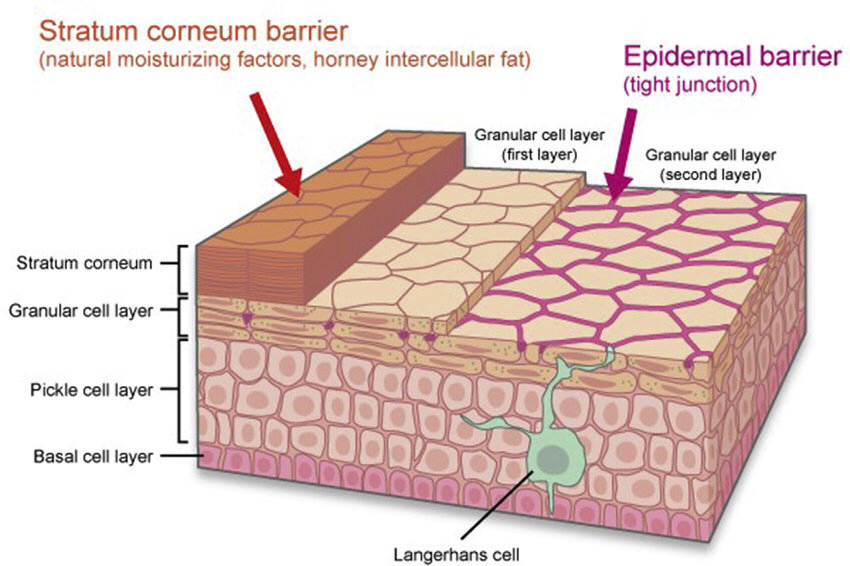
Your skin barrier — also called the stratum corneum — is your skin's outermost protective layer, made up of ceramides, fatty acids, cholesterol, and natural moisturizing factors that form a "brick and mortar" structure.
When this barrier is healthy, your skin:
- retains moisture
- stays smooth and calm
- resists irritation and breakouts
When it's damaged:
- water escapes (transepidermal water loss, or TEWL)
- irritants enter more easily
- inflammation increases
Why Oily Skin Is Often a Sign of Barrier Damage
When your skin loses water, it tries to compensate — and the way it compensates is by producing more oil.
So instead of: Oil = hydration
It's actually: Oil = compensation for dehydration
This is why you might experience:
- Oily T-zone but tight, dry-feeling skin
- Breakouts that don't improve with acne products
- Skin that feels irritated or sensitive
- Makeup that separates or looks patchy
According to the American Academy of Dermatology, over-cleansing and over-exfoliating are among the most common causes of barrier disruption — especially in acne-prone individuals.
The Hidden Causes of Barrier Damage
Barrier damage rarely comes from one thing. It's usually a combination of habits:
1. Over-Exfoliation
Using AHAs, BHAs, scrubs, or peels too frequently strips the protective lipids that hold your barrier together.
2. Harsh Cleansers
Foaming or "oil-control" cleansers can remove too much of your skin's natural moisture barrier.
3. Skipping Moisturizer
Many people with oily skin avoid moisturizer entirely — which actually worsens dehydration and causes more oil production.
4. Overuse of Acne Treatments
Ingredients like benzoyl peroxide and retinoids can weaken the barrier if not balanced with proper hydration and recovery.
5. Internal Inflammation
As covered in our guide on how stress affects your skin, chronic cortisol elevation impairs skin repair and compromises barrier integrity from the inside out.
What a Damaged Skin Barrier Looks Like
Barrier damage doesn't always look obvious. It can show up as:
- Persistent acne despite using "good" products
- Redness or flushing
- Sensitivity to products you used to tolerate
- Dull, uneven texture
- Tightness after washing
- Oily but dehydrated skin
Research published by the National Institutes of Health confirms that impaired barrier function is directly linked to increased inflammation and slower skin healing.
How to Repair Your Skin Barrier (Backed by Dermatology)
The goal is to rebuild and protect — not to fight your skin.
✔ Focus on Barrier Ingredients
Look for:
- Ceramides
- Fatty acids
- Cholesterol
- Glycerin
- Hyaluronic acid
These restore the lipid matrix and hydration balance without triggering more oil production.
✔ Reduce Active Overload
Cut exfoliants back to 2–3x per week maximum and use acne treatments strategically — not as a daily all-over layer.
✔ Use a Gentle Cleanser
Avoid anything that leaves your skin feeling tight after washing. That tightness is a sign of barrier disruption.
✔ Prioritize Daily Hydration
Even oily skin needs moisturizer — this is non-negotiable for barrier repair.
✔ Support Internal Balance
As shown in research from Harvard Medical School, inflammation, gut health, and chronic stress all influence barrier integrity.
Recommended Product for Barrier Repair
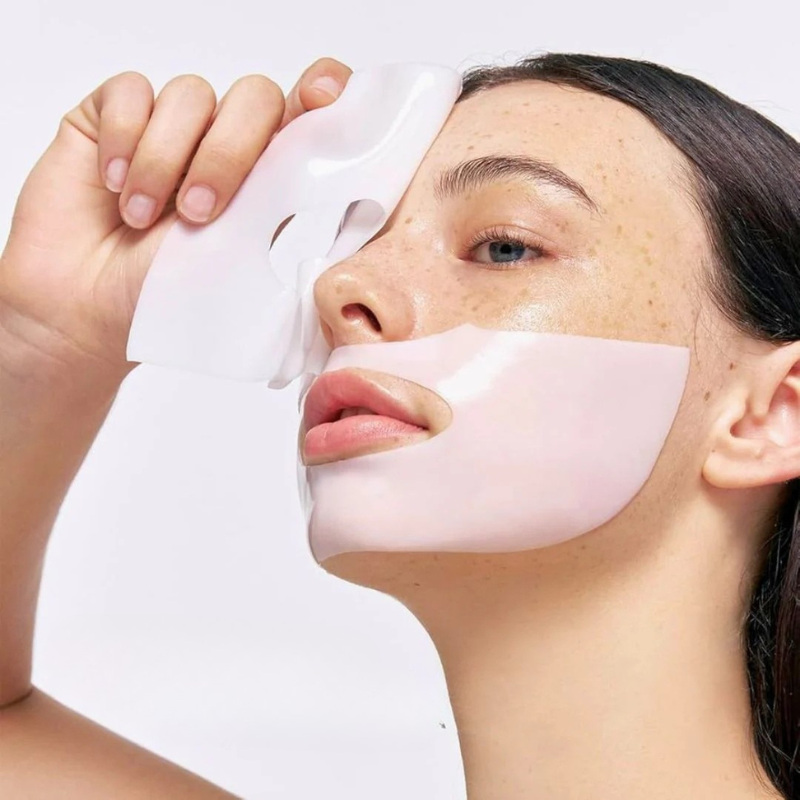
- deeply restore moisture balance
- calm redness and irritation
- support the skin's natural repair cycle overnight
- leave skin visibly smoother and more balanced
A Simple Barrier Repair Routine (Beginner-Friendly)
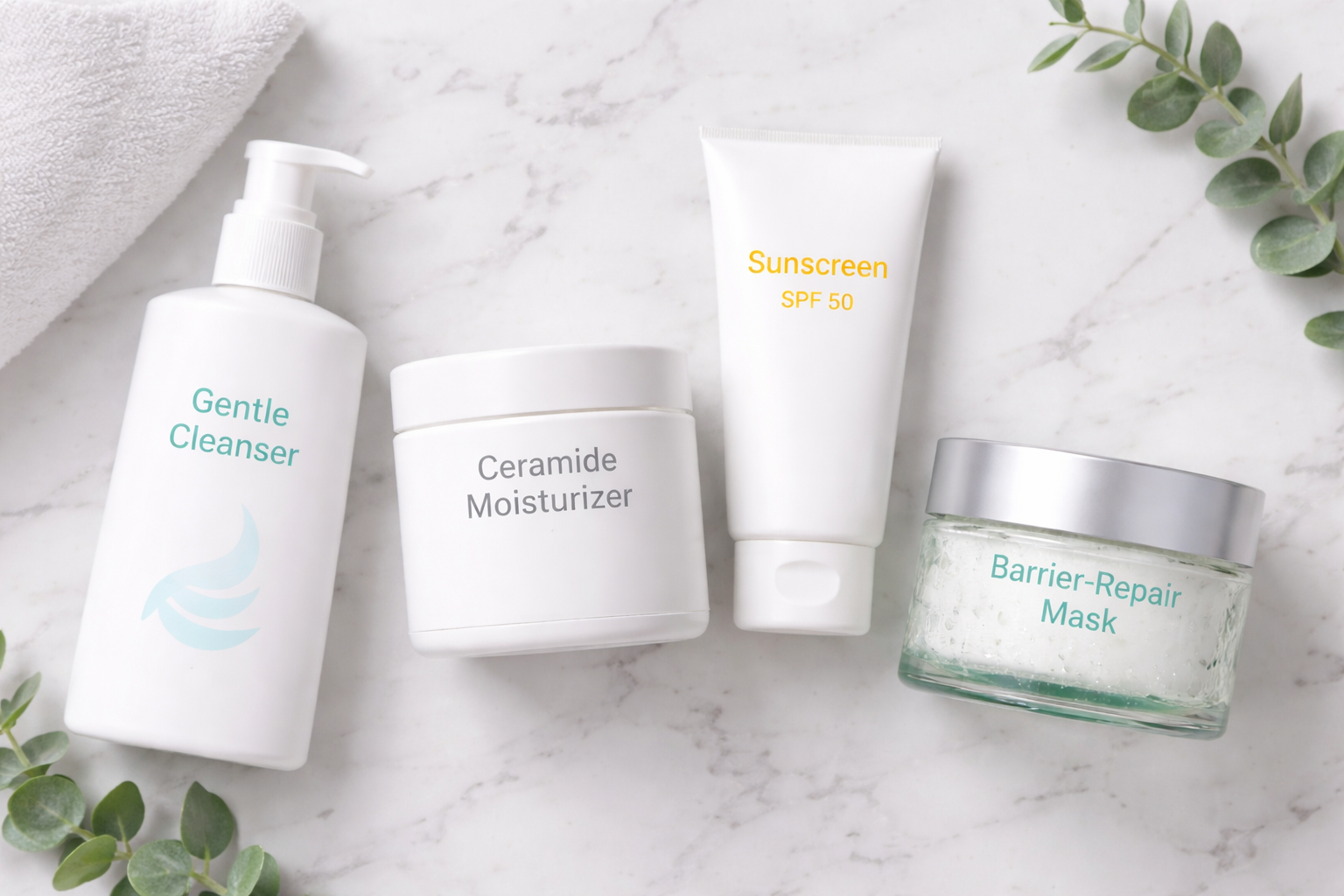
Morning:
- Gentle cleanser
- Hydrating serum (hyaluronic acid or glycerin-based)
- Moisturizer with ceramides
- Sunscreen
Night:
- Gentle cleanse
- Minimal treatment (if needed — not every night)
- Barrier-repair mask or moisturizer
Consistency matters more than complexity. Give your barrier 2–4 weeks of this routine before evaluating results.
Why Skin Barrier Repair Is the Real Glow Secret
The biggest shift in modern skincare isn't stronger treatments — it's supporting your skin instead of fighting it.
When your barrier is healthy:
- oil production balances naturally
- breakouts reduce
- skin looks smoother and brighter
- products actually absorb and work better
This is the foundation of long-term skin longevity — not quick fixes or more actives.