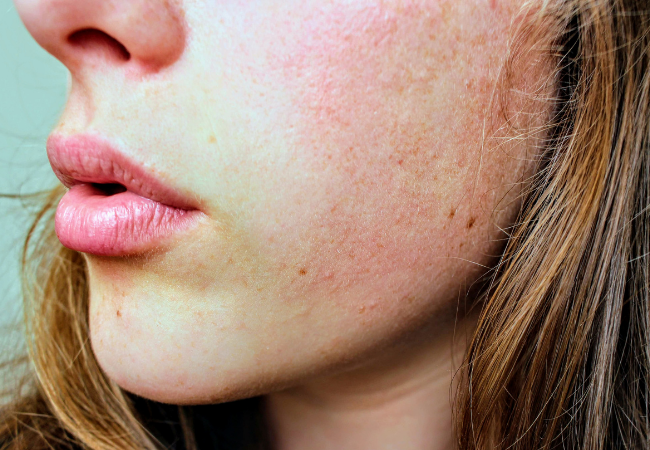
If your skin has been breaking out and feeling dry, stingy, flaky, weirdly shiny, tight, or suddenly reactive, there is a very real chance your skin barrier is part of the problem.
And honestly, this is where so many girls get stuck. You break out, so you reach for stronger acne products. Then your skin gets more irritated, more inflamed, more flaky, and somehow the breakouts still do not go away. So you think you need even more treatment, when what your skin may actually need is less aggression and more support.
The short answer is: yes, a damaged skin barrier can absolutely contribute to breakouts. It may not be the only cause of acne, and it does not replace things like hormones, clogged pores, or oil production. But when your skin barrier is damaged, your skin becomes more inflamed, more reactive, less resilient, and worse at handling the products and environmental stressors hitting it every day. That unstable, irritated environment can make acne look worse, heal more slowly, and feel harder to manage.
So if you have been wondering why your face feels oily but dry, why your usual products suddenly sting, or why your skin looks angry no matter how much acne skincare you pile on, this post is for you.
In this guide, we are going deep on how a damaged skin barrier and breakouts are connected, what barrier-related breakouts usually look like, what causes this cycle, and how to reset your routine so your skin can calm down instead of constantly fighting you.
This page contains affiliate links. If you purchase through these links, we may earn a small commission at no extra cost to you. We only recommend products we genuinely think fit the routine.
What Is the Skin Barrier, Exactly?
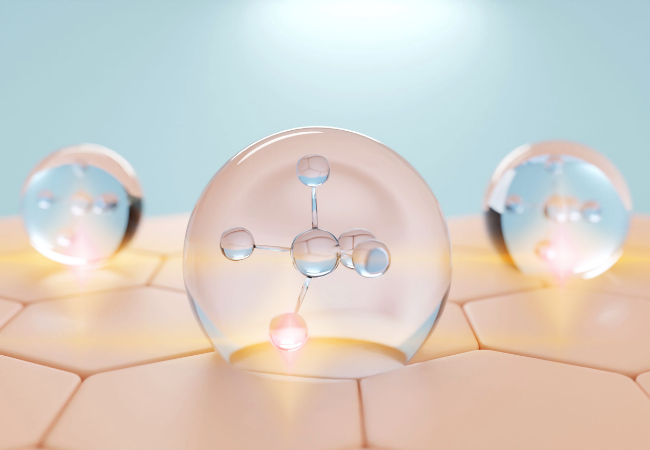
Your skin barrier mainly refers to the outermost part of your skin, especially the stratum corneum. Think of it like your skin's front line. It helps keep water in and keeps irritants, allergens, microbes, and environmental stressors out. It relies on skin cells plus lipids like ceramides, cholesterol, and fatty acids to stay strong and functional.
When that barrier is healthy, your skin tends to look calmer, smoother, and more balanced. When it is compromised, water escapes more easily, irritants get in more easily, and your skin starts acting unstable. That can show up as dryness, redness, flaking, stinging, rough patches, sensitivity, and yes, sometimes more breakouts.
If you want the full breakdown of barrier damage signs, also read How to Repair Your Skin Barrier.
So Can a Damaged Skin Barrier Cause Breakouts?
Yes — but let's say it the careful way.
A damaged skin barrier does not "cause" every form of acne all by itself. Acne is still a multifactorial condition involving things like oil production, clogged pores, inflammation, bacteria, hormones, and genetics. But barrier damage can absolutely contribute to breakouts, worsen breakouts, mimic acne, and make acne harder to treat.
That is the part so many people miss. If your skin is already irritated and inflamed, then every extra exfoliant, every stripping cleanser, every harsh spot treatment, and every "let me dry this out" product can push your skin further into a cycle where it is congested and compromised at the same time.
So the more accurate answer is this: a damaged skin barrier can create the kind of inflamed, reactive skin environment where breakouts happen more easily and heal more slowly.
How Barrier Damage Can Lead to More Breakouts
There are a few ways this happens.
1. Your skin becomes more inflamed
When the barrier is damaged, your skin is less protected from external irritation and internal water loss. That often increases irritation and inflammation, and acne already thrives in an inflammatory environment. So even if your breakouts started for another reason, barrier damage can make them look redder, angrier, and more persistent.
2. Your skin starts overreacting to products
One of the biggest clues of barrier damage is that products that used to feel normal suddenly sting, burn, flush, or leave your skin looking worse. That means the routine that was supposed to help acne may now be making your face more reactive, which keeps the cycle going.
3. You may overproduce oil to compensate
When your skin loses water, it may try to compensate by producing more oil. That is why so many people end up with the confusing oily-but-dry pattern. And once you add more oil, more irritation, and more product overload into the mix, congestion often gets worse too.
4. Healing gets harder
Barrier-damaged skin is not functioning at its best, so it is usually worse at bouncing back. Breakouts may linger longer, irritation may hang around longer, and post-breakout marks can feel more obvious because your skin just looks less calm overall.
5. You keep using acne products that are now too much
This is one of the most common real-life scenarios. A girl gets acne, uses benzoyl peroxide, salicylic acid, scrubs, pads, retinoids, or spot treatments all at once, and then her skin becomes stripped, inflamed, flaky, and breakout-prone in a different way. At that point, she thinks she still has a pure acne problem, but the barrier problem is now layered on top.
What Barrier-Related Breakouts Usually Look Like
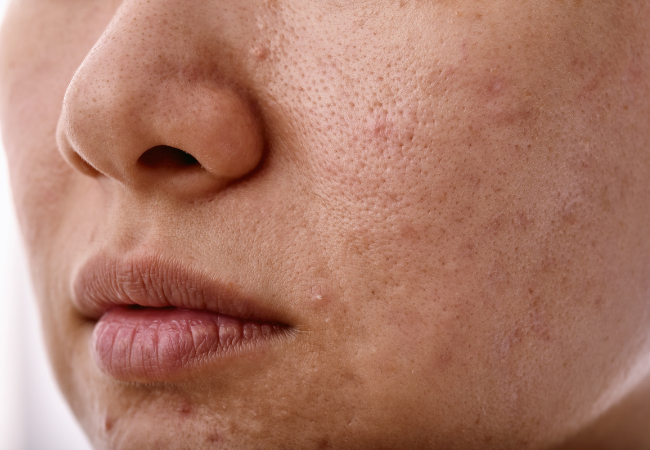
Barrier-related breakouts usually do not show up as just one classic acne symptom. They often come with a messy mix of things happening at once.
You may be dealing with barrier-related breakouts if your skin looks like this:
- tiny inflamed bumps plus dryness
- breakouts plus stinging when you apply products
- oily skin with flaky patches underneath
- redness, roughness, and congestion together
- makeup clinging to irritated areas
- breakouts that seem worse after trying to "fix" them
- skin that suddenly feels sensitive to everything
That is a huge sign that this may not just be a "use stronger acne products" situation. It may be a "your skin is overwhelmed and your barrier needs help" situation.
Signs Your Skin Barrier Might Be Driving the Problem
If you are trying to figure out whether your breakouts are linked to barrier damage, look for these clues:
- Your skin feels tight after cleansing.
- Your products suddenly burn or sting.
- Your face looks shiny, but also rough or dull.
- You are flaky and breakout-prone at the same time.
- Your skin got worse after over-exfoliating or using too many actives.
- Your barrier feels extra reactive to weather, heat, or friction.
- Foundation suddenly looks patchy, crusty, or weird.
If this sounds like you, also read Why Your Skin Barrier Is Damaged (Even If You Have Oily Skin) because that oily-but-dehydrated, breakout-prone pattern is incredibly common.
What Usually Damages the Skin Barrier in Acne-Prone Skin?
The most common triggers are not glamorous. They are usually just too much skincare, too much irritation, or the wrong kind of routine for what your skin can currently tolerate.
Common causes include:
- over-exfoliating with AHAs, BHAs, scrubs, or pads
- using benzoyl peroxide too aggressively
- stacking retinoids, acids, and spot treatments together
- harsh cleansers or "oil control" face washes
- using acne products all over your face every day
- fragrance-heavy or irritating skincare
- cold weather, dry air, wind, and indoor heating
- not moisturizing because your skin feels oily
This is also why "drying out" acne so often backfires. You think you are controlling breakouts, but really you are creating skin that is more irritated, less stable, and less able to tolerate the products you are using.
Can Barrier Damage Mimic Acne Too?
Yes, sometimes it can.
Barrier-damaged skin can show up with:
- tiny bumps
- rough texture
- red reactive spots
- irritation that looks like a breakout
- congestion that gets worse with stronger products
That does not mean every bump is "not acne." It just means not every angry-looking face needs a more intense acne routine. Sometimes the smarter question is whether your skin is inflamed and compromised first.
Can You Have Real Acne and a Damaged Skin Barrier at the Same Time?
Absolutely. In fact, that is one of the most common situations.
You can have real acne and a barrier problem layered on top. That is why some people keep using legitimate acne ingredients but still feel like their skin is just getting harder and harder to manage. The acne may still be real, but the barrier is now making everything more reactive and less predictable.
This is also why the best acne routine is not always the strongest one. It is the one your skin can actually tolerate consistently.
How to Calm Barrier-Related Breakouts
If you think your damaged skin barrier is contributing to breakouts, the goal is not to do nothing. The goal is to stop the chaos and create a routine your skin can actually recover inside of.
1. Pause the product overload
If you are using acids, scrubs, benzoyl peroxide, retinoids, vitamin C, spot treatments, and a foaming cleanser all at once, simplify. You do not need every active in your bathroom touching your face this week.
2. Use a gentler cleanser
Your cleanser should remove buildup without leaving your skin squeaky, stripped, or tight. A damaged barrier usually needs less punishment, not more "deep clean" energy.
3. Stop skipping moisturizer
Even oily, acne-prone skin still needs moisture support. If your skin is dry, inflamed, or irritated underneath, refusing moisturizer often just keeps the problem going.
4. Reduce irritation first
You may still need acne treatment later, but if your skin is currently stinging, flushing, and flaking, calming irritation usually needs to come first. Otherwise, your treatment plan becomes self-sabotage.
5. Be consistent for at least 2–4 weeks
Barrier recovery is not about throwing ten new things at your face. It is about calming your routine down long enough that your skin can stabilize.
A Smarter Barrier-First Routine for Breakout-Prone Skin
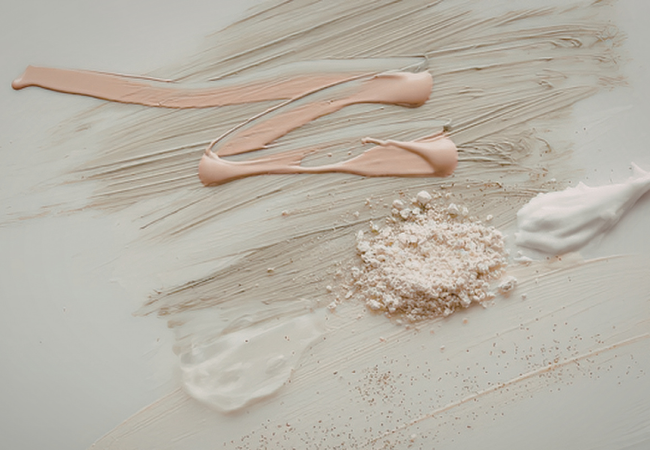
If your breakouts are happening alongside irritation, a barrier-first routine usually makes more sense than just escalating acne products.
The simplest version looks like this:
- gentle cleanser
- hydrating support if your skin tolerates it
- ceramide-rich moisturizer
- daily sunscreen
- an overnight recovery step if your skin feels especially depleted
If you want the easiest click-ready version of that, go to our Skin Barrier Repair Routine. It breaks down the exact product categories that make the most sense when your skin feels dry, irritated, oily, reactive, or over-exfoliated.
Products That Make More Sense Than "Stronger" Acne Products Right Now
CeraVe Moisturizing Cream is one of the best anchor products for this kind of routine because it helps support the skin barrier with a simple, ceramide-focused formula that does not try to do too much. If your skin feels tight, rough, or depleted, this is often the kind of boring-but-effective support step that matters most. You can browse it here: CeraVe Moisturizing Cream.
If your skin feels extra stressed, dull, or visibly overwhelmed, the BIODANCE Bio-Collagen Real Deep Mask fits beautifully as a hydration-first reset step. It is not there to "treat acne" directly. It is there to make your skin feel calmer, softer, and less attacked while your barrier catches up.
When You Should Still See a Dermatologist
A damaged barrier can absolutely contribute to breakouts, but it is still important to be realistic. If you have persistent cystic acne, significant scarring, widespread inflammation, severe pain, or acne that is not improving after a few weeks of a gentler routine, it is worth seeing a dermatologist.
The goal here is not to self-diagnose every bump from the internet. The goal is to notice when your skin is clearly overloaded, irritated, and reacting in ways that suggest the barrier needs attention too.
The Bottom Line
So, can a damaged skin barrier cause breakouts?
Yes — it can absolutely contribute to them, worsen them, and keep them hanging around longer.
It is not the only cause of acne, but it is one of the most overlooked reasons skin starts looking inflamed, reactive, flaky, oily, and breakout-prone all at once. And once you understand that, the whole routine question changes.
Instead of asking, "What stronger acne product should I use next?" the better question becomes, "Is my skin too irritated to handle what I'm doing right now?"
That is the shift that helps people finally stop over-treating their skin and start actually helping it.