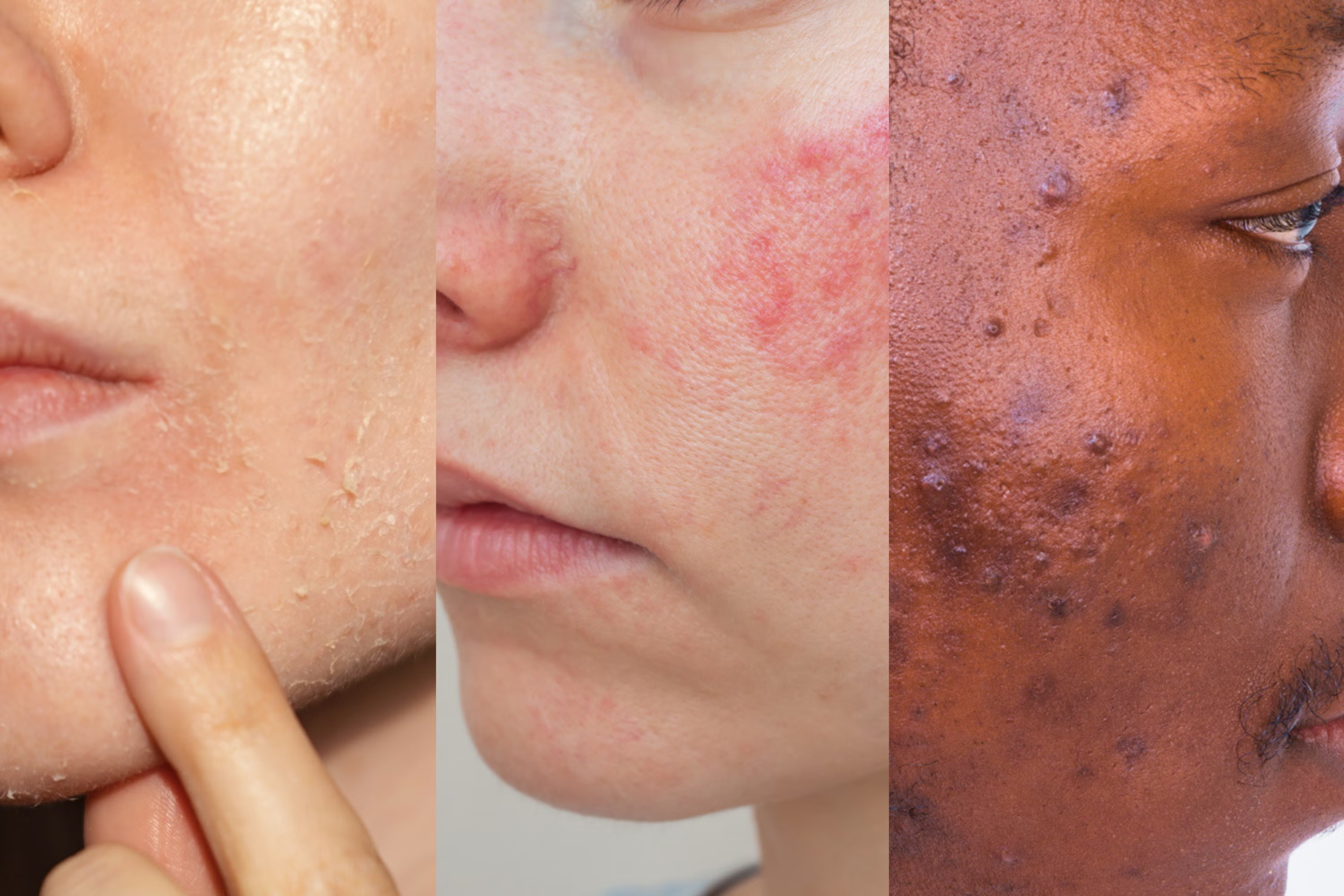
If your skin suddenly feels dry, tight, shiny in a weird way, stingy when you apply products, or just off, there is a very real chance your skin barrier is the problem.
And honestly, this is one of the biggest reasons so many girls end up stuck in a cycle of buying more skincare, trying more "fixes," and somehow making everything worse.
Your skin barrier is basically your skin's front line. When it is healthy, your skin holds onto water better, looks smoother, feels calmer, and is less reactive. When it is damaged, water escapes more easily, irritants get in faster, and suddenly your face can feel dry, red, inflamed, flaky, itchy, or weirdly breakout-prone all at once.
So if you have been wondering why your skin suddenly cannot tolerate the products you used to love, why your makeup is sitting badly, or why your face looks dull no matter how much moisturizer you put on, this is the post to read.
We are going deep into the signs of a damaged skin barrier, what actually causes barrier damage, the difference between dry skin and a broken barrier, and the fastest way to calm everything down without making it more complicated than it needs to be.
If this is a pattern for you, also read our latest beauty and wellness articles and browse It Girl Finds for products that fit a gentler, barrier-first routine.
What Is Your Skin Barrier, Exactly?
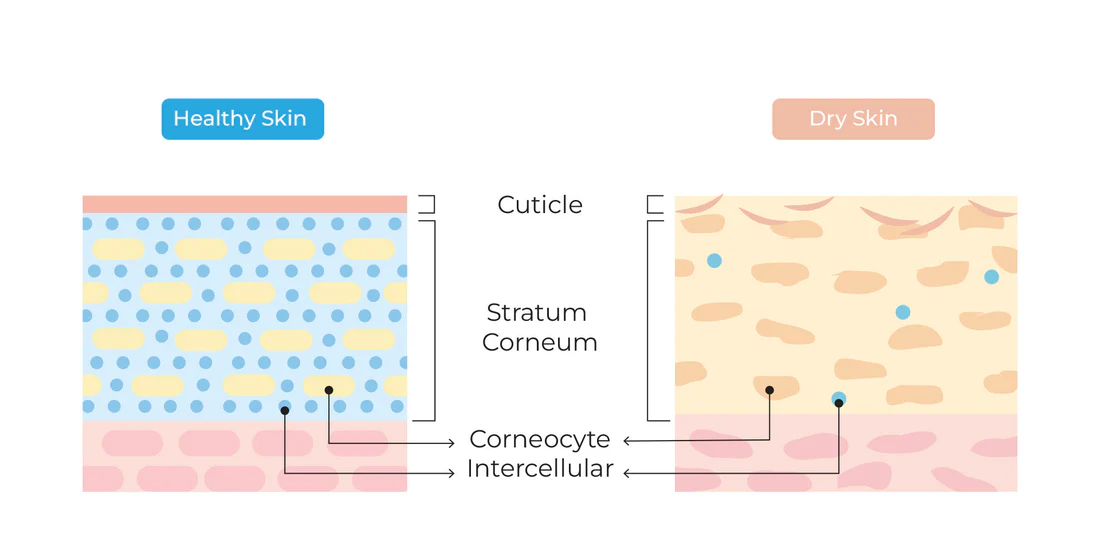
Your skin barrier mainly refers to the outermost layer of your skin, especially the stratum corneum. This layer helps keep water in and irritants, allergens, pollution, and microbes out. Think of it like a protective wall made of skin cells plus lipids like ceramides, cholesterol, and fatty acids.
When that wall is functioning well, your skin looks more balanced, resilient, and calm. When it is disrupted, your skin loses water more easily through something called transepidermal water loss, or TEWL. That is one of the reasons damaged skin can feel dry, tight, rough, and sensitive at the same time.
Research on epidermal barrier function shows that the stratum corneum and its lipids, especially ceramides, play a major role in reducing water loss and protecting barrier integrity. Read the review here.
This is also why dermatologists and skin experts talk so much about gentle cleansing, moisturizers, ceramides, and irritation reduction. The goal is not just "hydration." It is helping your skin do its actual job again.
Why a Damaged Skin Barrier Can Make Your Skin Look Worse in So Many Different Ways
One of the most confusing things about barrier damage is that it does not always look like one single problem.
Sometimes it shows up as:
- dryness
- flaking
- itching
- redness
- tiny bumps
- sudden sensitivity
- breakouts that seem random
- makeup pilling or clinging to patches
- a dull, tired, "my skin just looks bad" vibe
That is because once the barrier is weakened, your skin becomes less efficient at holding onto moisture and more vulnerable to irritation. Cleveland Clinic lists dryness, flaking, rough patches, itchiness, inflammation, sensitivity, and stinging with skincare as common signs of a damaged skin barrier. Their dermatologist-reviewed overview is here.
So yes, your skin can feel oily and dry. It can feel acne-prone and sensitive. It can look irritated and dull. Barrier damage is messy like that.
7 Signs Your Skin Barrier Is Damaged
1. Your skin feels tight, especially after cleansing
This is one of the most common signs. If your face feels "squeaky clean" after washing, that is not always a good thing. That tight feeling can mean your cleanser is stripping too much oil and disrupting the protective lipid layer your skin needs.
Healthy skin should feel clean but still comfortable. Not stretched. Not thirsty. Not like you need moisturizer in the next seven seconds.
2. Products suddenly sting or burn
If your usual serum or moisturizer suddenly stings, your skin may be more permeable and reactive than normal. The American Academy of Dermatology notes that overusing exfoliating products can damage the skin barrier and may even cause reactions to products that previously did not bother you. AAD talks about that here.
This is a huge clue. If products that used to feel fine now burn, the answer is usually not adding more strong actives. It is backing off and letting your skin calm down.
3. You look flaky, rough, or textured in a way that makeup makes worse
Barrier damage often shows up as surface roughness. Your skin may not even look obviously dry at first, but foundation suddenly catches on patches, powder looks crusty, and your face just does not look smooth anymore.
This roughness can come from water loss, irritation, and an impaired ability to maintain normal shedding at the surface.
4. Your skin is more red, reactive, or itchy than usual
When the barrier is compromised, irritants can get in more easily. That can mean redness, warmth, stinging, itchiness, or that vague inflamed look that makes your skin seem irritated even when you are trying to do everything right.
If your skin feels reactive to weather, cleansers, exfoliants, fragranced products, or even plain water, your barrier may need a reset.
5. You are breaking out more, especially in tiny inflamed bumps
A damaged skin barrier does not only cause dryness. It can also make breakouts worse. When skin is inflamed and irritated, it becomes less resilient overall. Some people notice clusters of tiny bumps, congestion, or acne-like flare-ups when they over-exfoliate or use too many actives at once.
This is one reason acne treatment overload backfires. You keep trying to scrub, peel, or dry out the problem, but your skin just becomes more inflamed and unstable.
6. Your skin looks dull, flat, or tired no matter how much product you apply
If your glow disappeared and your skin now looks strangely matte, papery, or tired, the issue may not be that you need stronger skincare. It may be that your barrier is too compromised to reflect light well or maintain smoothness.
Healthy, calm skin tends to look more naturally radiant. Damaged skin tends to look stressed.
7. Your skincare routine feels like too much all of a sudden
If you are using exfoliating acids, retinoids, acne products, vitamin C, spot treatments, scrubs, or harsh cleansers all in one routine and your skin is giving you attitude, that is not random.
One of the biggest causes of barrier damage is simply too much: too many actives, too much exfoliation, too much experimentation, too little recovery.
Why Skin Barrier Damage Happens in the First Place
Here is the thing no one tells you clearly enough: damaged skin barriers usually are not caused by one dramatic event. They are often caused by a pile-up of small things that slowly push your skin past what it can handle.
1. Over-exfoliation
This is probably the most common one. Using AHAs, BHAs, scrubs, exfoliating pads, peels, and retinoids too often can chip away at your barrier over time. Even if each product is good, the combination can be too much.
2. Harsh cleansers
A cleanser that leaves your skin feeling stripped is not helping. Strong foaming cleansers, high-fragrance face washes, and formulas that disrupt your lipid layer can worsen dryness and irritation fast.
3. Too many active ingredients at once
Retinoid plus exfoliating acid plus benzoyl peroxide plus vitamin C plus spot treatment is not an elite routine. It is how a lot of people accidentally cook their face.
4. Cold weather, dry air, and indoor heating
Environmental stress matters more than people think. Cold air, wind, low humidity, and heated indoor spaces can all increase dryness and make barrier recovery harder.
5. UV exposure
Sun exposure contributes to skin damage, inflammation, and barrier disruption. This is one reason daily sunscreen matters even if your main goal is just healthier-looking skin.
6. Fragrance and irritating formulas
Fragrance is not bad for every person, but if your skin is already reactive or damaged, fragranced products can make everything feel worse.
7. Using acne products like your whole face is a breakout
If you are applying drying acne treatments all over your skin every day, your barrier may suffer even if you started with the goal of fixing acne. You can end up with inflamed, dehydrated, breakout-prone skin that feels impossible to balance.
Damaged Skin Barrier vs Dry Skin vs Dehydrated Skin
This part matters because people mix these up constantly.
Dry skin
Dry skin is a skin type. It means your skin naturally produces less oil.
Dehydrated skin
Dehydrated skin lacks water. It can happen even if your skin is oily.
Damaged skin barrier
A damaged barrier means your protective outer layer is not functioning properly, so your skin loses water more easily and is more vulnerable to irritation.
You can absolutely have all three at the same time. That is why your face can feel oily on the surface, dry underneath, and somehow still sting when you apply moisturizer.
If your skin is both dehydrated and barrier-damaged, simply using more random hydrating products is not enough. You need to reduce irritation and support barrier repair.
The Fastest Way to Calm a Damaged Skin Barrier Down
If your skin barrier is angry, your goal is not to optimize everything overnight. Your goal is to stop the spiral.
That means:
- remove what is irritating your skin
- simplify your routine aggressively
- support the barrier with the right basics
- give it enough time to recover
That is the fastest route. Not another exfoliating toner. Not a new miracle serum. Not a 12-step routine.
Your Barrier Repair Routine: What To Use Right Now
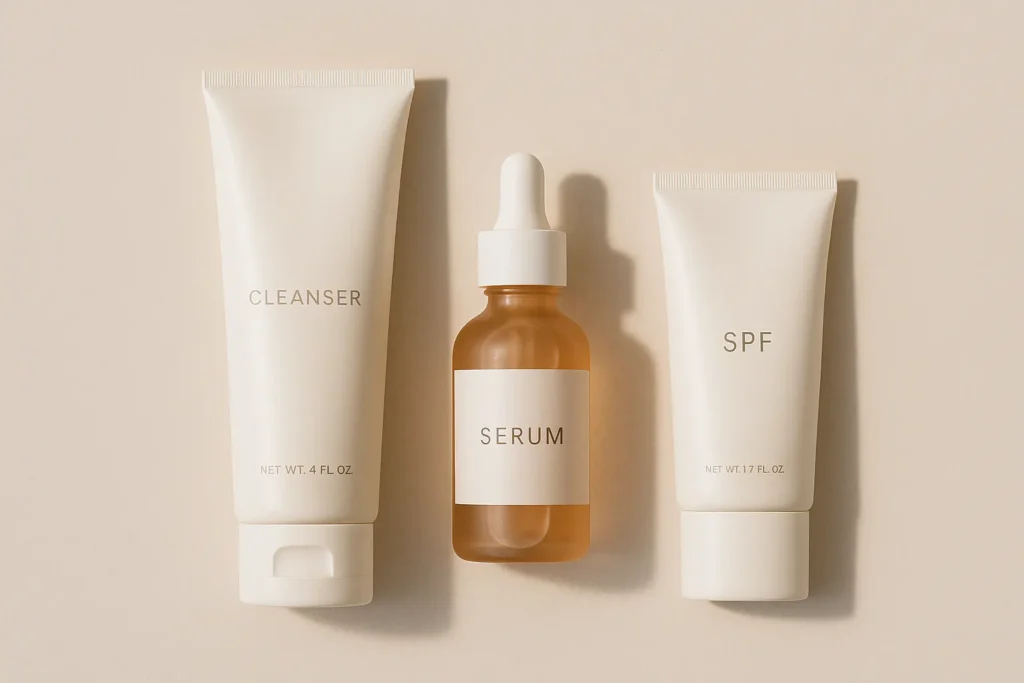
Step 1: Switch to a gentle cleanser
Use a cleanser that does not leave your skin squeaky or tight. Look for something gentle, low-foam or cream-based, and fragrance-free if your skin is actively irritated.
If your skin feels very compromised, you may even do better cleansing only at night and just rinsing with lukewarm water in the morning, depending on your skin type and tolerance.
Step 2: Use a barrier-supportive moisturizer
This is your main character right now. Look for moisturizers with ingredients like ceramides, cholesterol, fatty acids, glycerin, petrolatum, squalane, panthenol, colloidal oatmeal, and niacinamide if your skin tolerates it.
Barrier repair is not just about adding water. It is about helping your skin reduce water loss and rebuild its protective structure. A 2021 review found that ceramide-containing topical products improved dry skin and barrier function in multiple studies. You can read that review here.
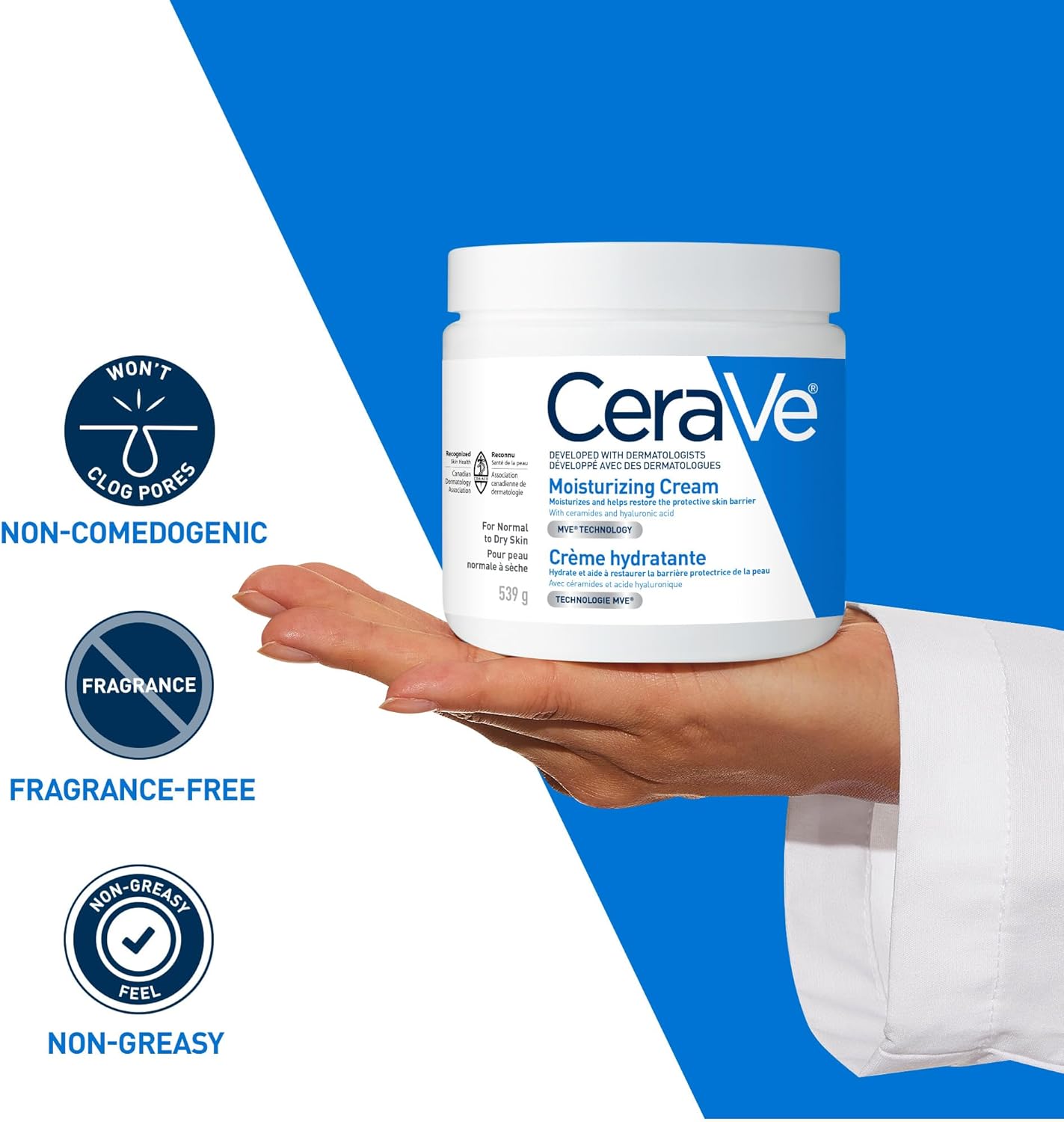
One of the most straightforward options for barrier-damaged skin is the CeraVe Moisturizing Cream. It is fragrance-free, non-comedogenic, and formulated with three essential ceramides plus hyaluronic acid and MVE technology — exactly the kind of unglamorous, science-backed formula your skin needs when it is in recovery mode. It is not trendy. It just works.
Step 3: Use sunscreen every morning
If your barrier is compromised, your skin is already more vulnerable. Daily broad-spectrum SPF helps reduce extra stress from UV exposure. Choose a sunscreen your skin can tolerate consistently.
Step 4: Consider a simple occlusive layer at night
If your skin is very dry, cracked, or irritated, sealing in moisture at night with a more occlusive product can help reduce water loss. This does not have to mean heavy slugging every night for every skin type, but a healing balm or petrolatum-based layer on the driest areas can be helpful when your barrier is struggling.
If you want the easiest overnight hydration step without overthinking it, the BIODANCE Bio-Collagen Real Deep Mask is the best fit from the current It Girl Finds lineup when your barrier feels stripped, dull, or reactive. It supports the comfort-first, hydration-first routine that makes sense during a barrier reset. The goal is not to throw ten products at your face. It is to use a small, calming lineup consistently enough that your skin can finally recover.
If you want a simpler, click-ready version of this routine, I put together a full barrier-first lineup for dry, irritated, oily, reactive, and over-exfoliated skin, with the exact product categories that make the biggest difference when your barrier feels compromised. It also includes our favorite barrier-supportive picks, including the BIODANCE Bio-Collagen Real Deep Mask for an overnight reset step.
The BIODANCE Bio-Collagen Real Deep Mask is fragrance-free, non-comedogenic, and formulated to deeply restore moisture balance and calm irritated skin overnight. It is especially effective as a weekly barrier reset when your skin is feeling depleted, tight, or reactive.
See the Full Barrier Repair Routine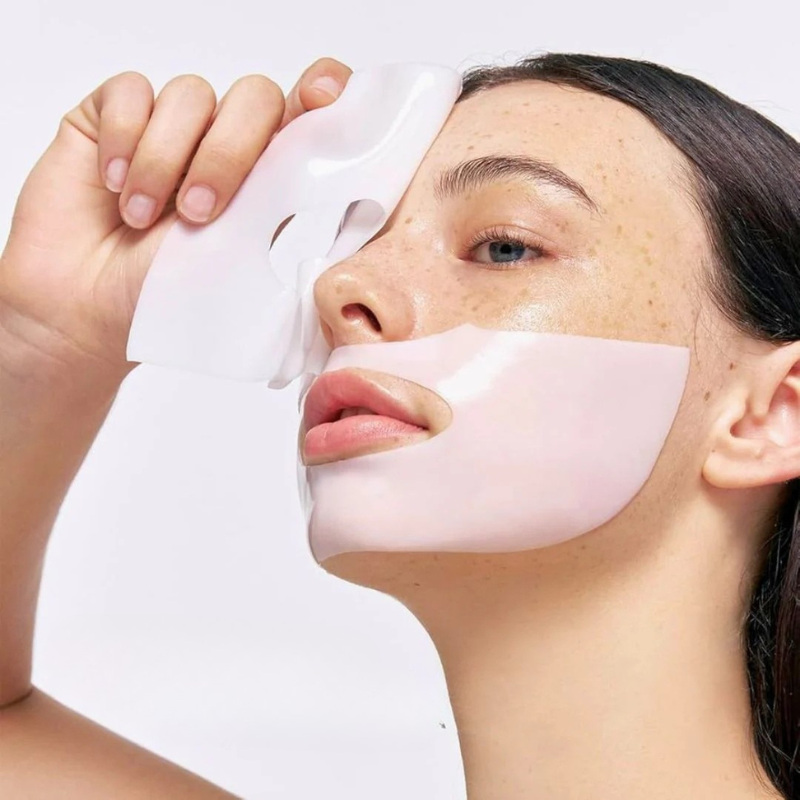
What To Stop Using If Your Barrier Is Damaged
This is where a lot of people finally start getting better.
Temporarily pause or reduce:
- scrubs
- peels
- exfoliating acids
- retinoids if your skin is actively burning or peeling
- benzoyl peroxide all over the face
- high-fragrance skincare
- foaming cleansers that strip your skin
- anything that stings every single time you apply it
This does not mean you can never use actives again. It means your skin needs a recovery period first.
How Long Does Skin Barrier Repair Take?
It depends on how damaged your skin is and what is continuing to irritate it.
For milder barrier disruption, some people notice improvement in a few days to two weeks after simplifying their routine. If your skin is more inflamed, reactive, or repeatedly being irritated, it can take longer. The biggest mistake is panicking too early and switching routines every three days.
Barrier repair rewards consistency more than intensity.
If your skin is getting worse, not improving, or you have severe irritation, crusting, swelling, rash-like symptoms, or pain, that is when it is smart to see a dermatologist instead of trying to self-fix everything forever.
A Simple 7-Day Skin Barrier Reset
If your skin is in meltdown mode, here is the easy version.
Morning
- Rinse with lukewarm water or use a very gentle cleanser if needed
- Apply a simple barrier-supportive moisturizer
- Apply broad-spectrum sunscreen SPF 30 or higher
Night
- Use a gentle cleanser
- Apply a simple hydrating serum only if it does not sting
- Apply a rich moisturizer with ceramides, glycerin, or fatty acids
- Seal dry areas with an occlusive balm if needed
For 7 days, avoid:
- acids
- scrubs
- retinoids if your skin is actively irritated
- fragrance-heavy formulas
- trying new products just because they are trending
Then reassess. If your skin is calmer, less stingy, and holding hydration better, you can think about reintroducing actives slowly and strategically, not all at once.
The Ingredients That Usually Help Most
If you are shopping for barrier repair, these are the ingredient categories that usually make the most sense:
Ceramides
These support the lipid structure of the stratum corneum and help reduce water loss.
Glycerin
A classic humectant that helps draw water into the skin.
Cholesterol + fatty acids
These help support the lipid matrix that barrier function depends on.
Petrolatum
Excellent for reducing water loss and protecting very dry or compromised areas.
Panthenol
Often helps soothe and support irritated skin.
Colloidal oatmeal
Can be especially helpful if your skin feels itchy, inflamed, or reactive.
Niacinamide
Can support barrier function for many people, though if your skin is extremely reactive in the moment, go simple first and add things back later.
What People Get Wrong About "Hydrating" a Damaged Barrier
A lot of people think barrier repair means layering five hydrating products and hoping for the best.
But if your skin barrier is damaged, hydration alone is not the whole story.
You need:
- fewer irritants
- better moisture retention
- supportive lipids
- less inflammation
- less product chaos
If your skin cannot hold onto water well because the barrier is impaired, even the prettiest hydrating serum will not magically fix the issue on its own.
When To Reintroduce Actives Again
Only once your skin is calm.
That means:
- less stinging
- less flaking
- less redness
- less tightness
- more consistent comfort after cleansing
Then reintroduce one active at a time, slowly. Not everything at once. Not on the same week. Not because TikTok told you to stack six actives like it is a personality trait.
If your skin barrier is your weak point, the best long-term routine is usually not the most aggressive one. It is the most sustainable one.
What a Healthy Skin Barrier Routine Actually Looks Like
For most people, a healthy barrier-friendly routine is surprisingly boring:
- gentle cleanse
- hydrate if needed
- moisturize properly
- daily SPF
- use actives strategically, not emotionally
That is the routine that tends to create better skin over time.
Not the one where you keep punishing your face because you are frustrated.
Bottom Line: The Fastest Way to Fix a Damaged Skin Barrier
If your skin barrier is damaged, the fastest way to calm it down is to stop doing too much, go back to a simple barrier-supportive routine, and give your skin enough time to recover.
Look for the signs early: tightness, stinging, flaking, redness, sensitivity, rough texture, and weird unstable breakouts. Then simplify aggressively.
Your skin does not always need more. Sometimes it needs less irritation, less chaos, and a better support system.