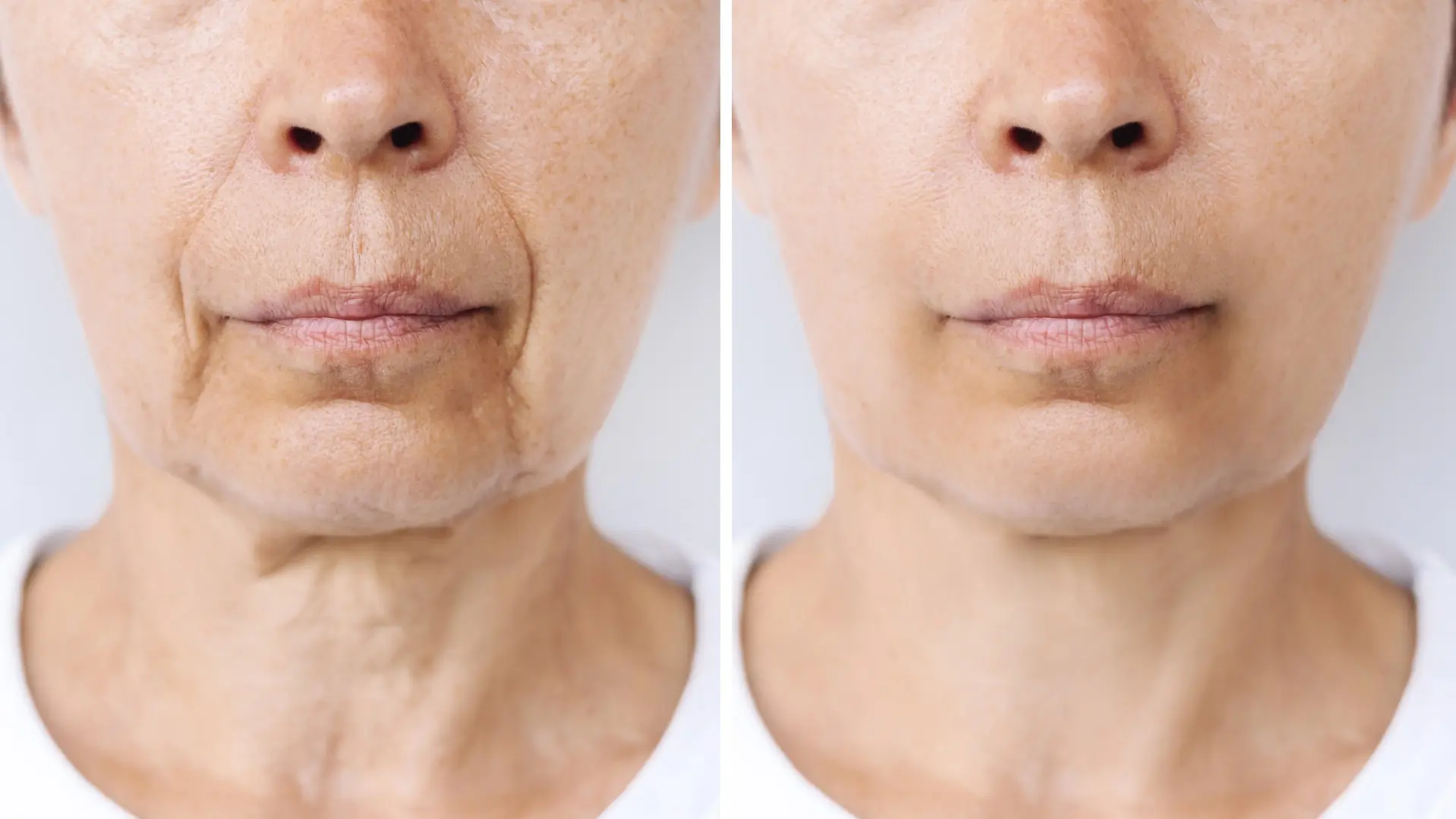
Ozempic face is not always permanent — but for many people, the visible changes can last unless they are treated. Many readers also ask whether Ozempic face is reversible, whether semaglutide causes facial aging, and how long these changes typically last. Dermatologists explain that the hollowing, loose skin, and tired appearance commonly associated with Ozempic face are caused primarily by rapid fat loss rather than the medication itself. Because facial fat does not always return once lost, some changes may persist without targeted treatment.
The good news: in many cases, Ozempic face improves naturally, and when it doesn't, there are effective treatments that restore volume and softness.
If you're new to the topic, our full guide on Ozempic face and how to fix it explains everything in detail.
Short Answer
Ozempic face is not always permanent. Mild cases often improve naturally once weight stabilizes, but more noticeable volume loss may remain unless treated. Dermatologists say treatments like fillers, collagen-stimulating procedures, skincare routines, and slower weight loss can significantly improve or reverse its appearance.
Why Ozempic Face Can Look Permanent
Rapid weight loss can accelerate facial aging, which we explain more in our guide to skin longevity and facial aging.
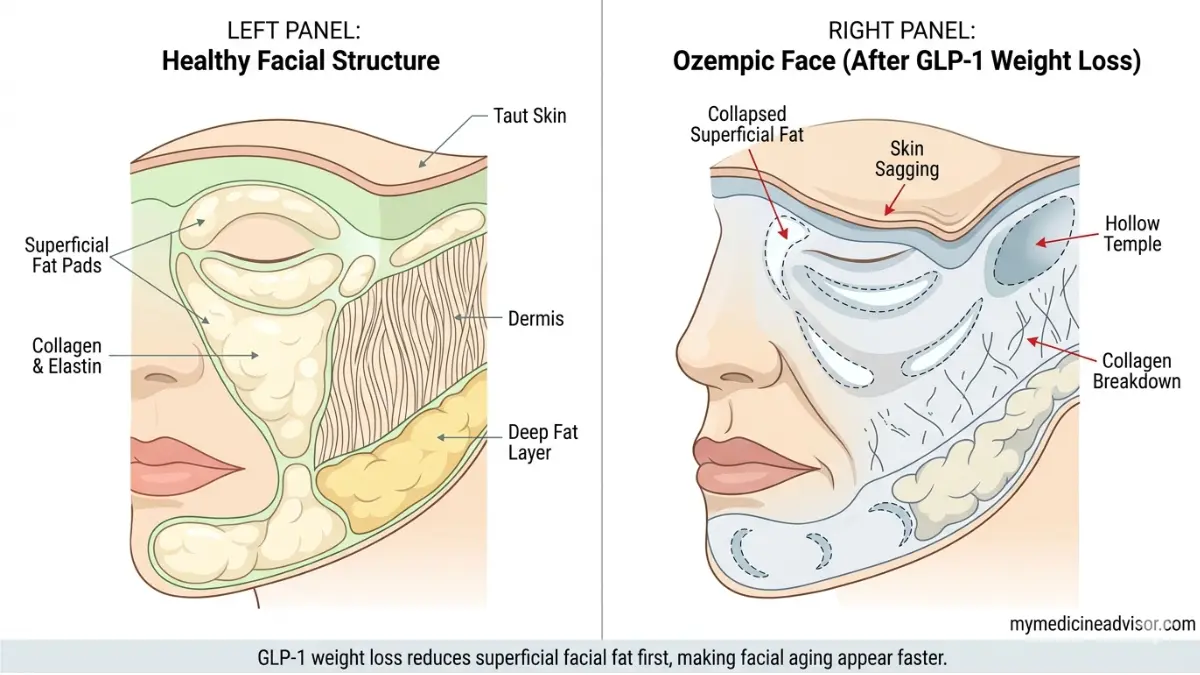
Ozempic face happens when rapid weight loss reduces facial fat that normally supports skin structure. This creates:
- hollow cheeks
- deeper smile lines
- loose or sagging skin
- sharper jawlines
- a tired appearance
Research has also shown that rapid weight loss can affect facial soft tissue distribution over time, as discussed in studies published through JAMA Network Open.
Unlike body fat, facial fat doesn't always return once lost. Dermatologists explain that as we age, we already lose collagen, elastin, and volume naturally. Rapid weight loss simply speeds up what would normally happen slowly over time. Dermatology experts from the Cleveland Clinic also note that volume loss is a common effect of significant weight reduction.
Another reason it can look permanent is skin elasticity. If skin cannot fully tighten after fat loss, it may appear looser — especially around the cheeks and lower face.
That said, "permanent" is often an overstatement. Many cases simply look worse in the early stages and improve later.
When Ozempic Face Improves Naturally
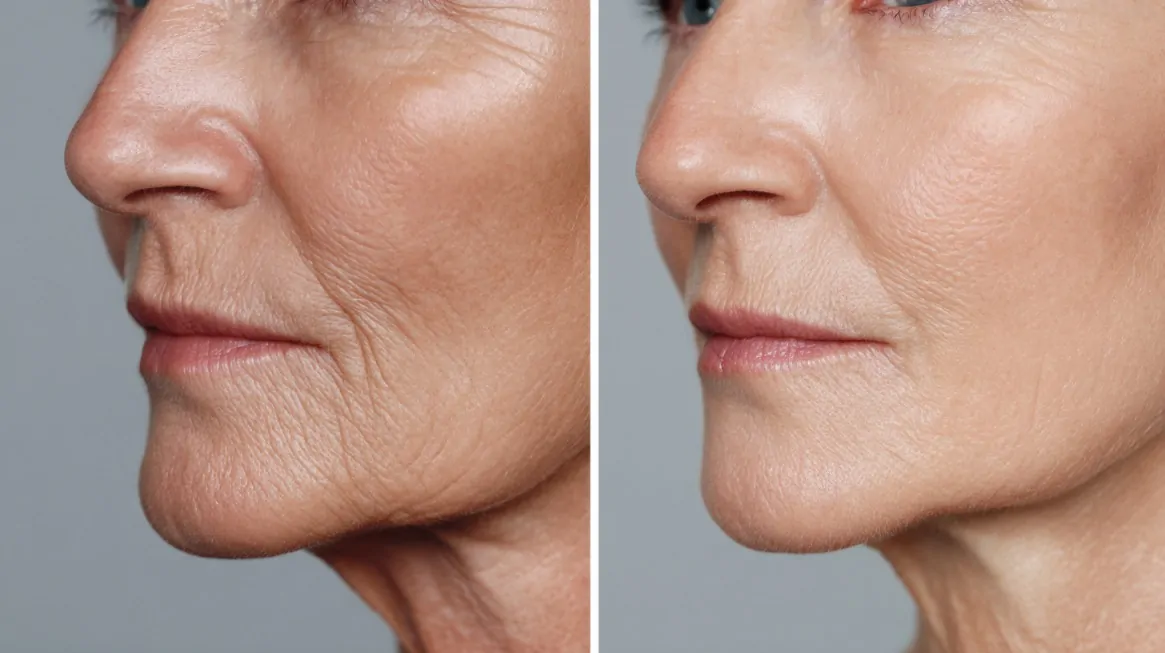
Dermatologists say Ozempic face often softens on its own when:
1. Weight Stabilizes
Once rapid weight loss slows, the face begins adjusting. Minor hollowing often improves within a few months.
2. Hydration + Nutrition Improve
Proper hydration, protein intake, and micronutrients help restore skin quality and plumpness.
3. Inflammation Drops
Some early facial changes are temporary and related to inflammation rather than true volume loss.
4. Skin Rebuilds Collagen
Skin continuously renews itself. With time, elasticity can partially return.
Many mild cases noticeably improve within 3–6 months.
How to Reverse Ozempic Face
If changes don't improve naturally, dermatologists say there are highly effective solutions.
1. Hyaluronic Acid Fillers
Fillers are the most common treatment. They restore lost volume in:
- cheeks
- temples
- under-eye area
- smile lines
Results are immediate and subtle when done conservatively.
2. Collagen-Stimulating Treatments
Treatments like:
- Sculptra
- radiofrequency microneedling
- ultrasound tightening
help rebuild collagen gradually for natural results.
 Vital Proteins Collagen PeptidesShop on Amazon
As an Amazon Associate I earn from qualifying purchases to help keep this site running
3. Skincare That Actually Helps
While skincare won't replace lost volume, it improves texture and firmness.
Look for:
- peptides
- retinoids
- ceramides
- growth factor serums
Barrier repair is key.
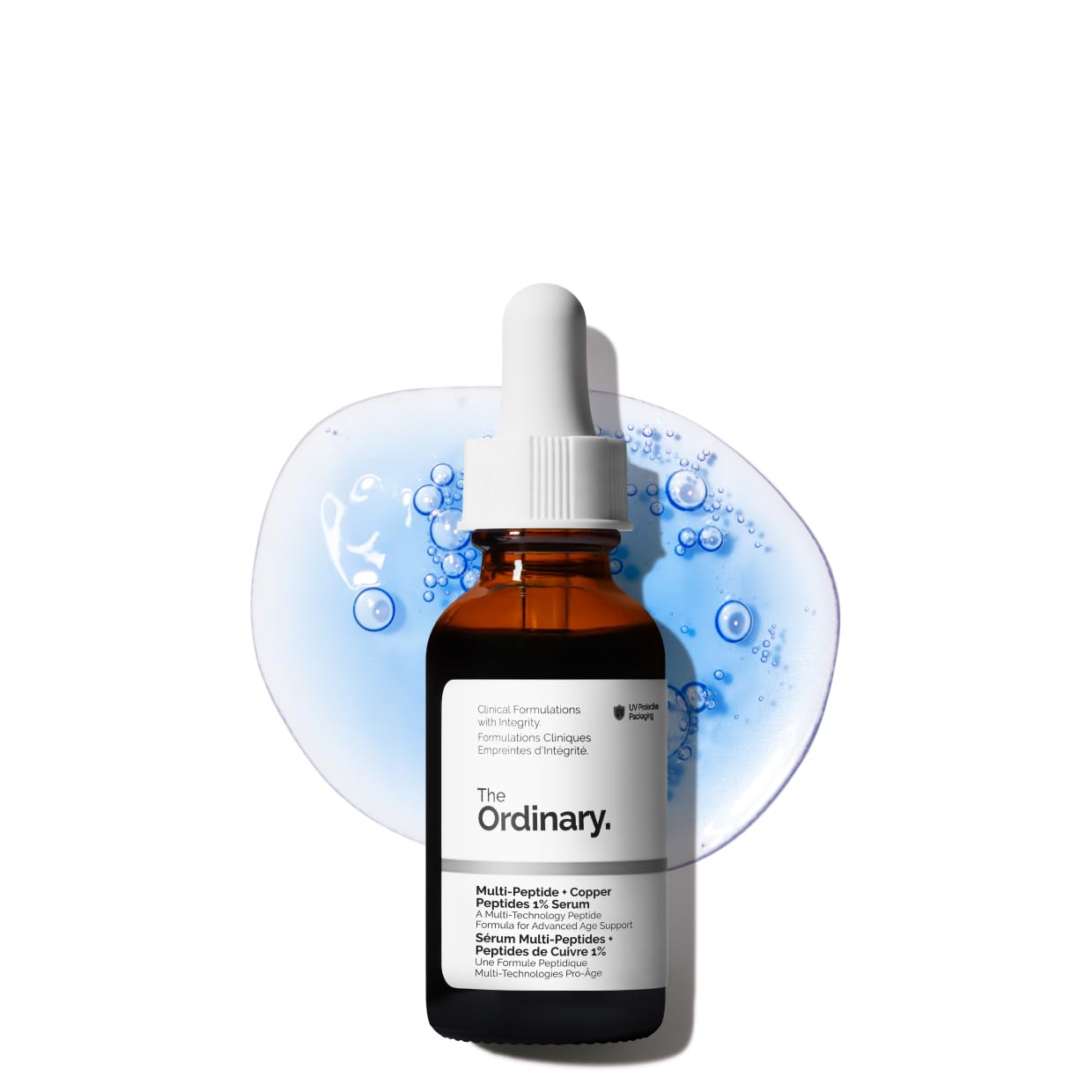 The Ordinary Multi-Peptide + Copper Peptides 1%Shop on Amazon
As an Amazon Associate I earn from qualifying purchases to help keep this site running
4. Slower Weight Loss
Dermatologists consistently recommend gradual weight loss to reduce facial volume loss and skin laxity.
5. Lifestyle Changes
These matter more than people think:
- sleep
- hydration
- resistance training
- stress management
All affect skin quality.
Who Is Most at Risk for Ozempic Face
Dermatologists say certain people are more likely to experience visible changes:
1. People Over 35
Natural collagen decline makes volume loss more noticeable.
2. Those Who Lose Weight Quickly
Rapid fat loss is the biggest factor.
3. Naturally Thin Faces
Less fat means less structural support.
4. Significant Weight Loss
Losing large amounts of weight increases risk.
5. Low Collagen Skin Types
Genetics also plays a role.
The Bottom Line
Ozempic face is not always permanent — but it can feel that way at first. For many people, changes soften over time as weight stabilizes and skin adjusts. When they don't, dermatology treatments and proper skincare routines can restore a naturally full, balanced look.
If you're noticing changes, the best approach is patience, gentle prevention, and strategic treatment if needed.