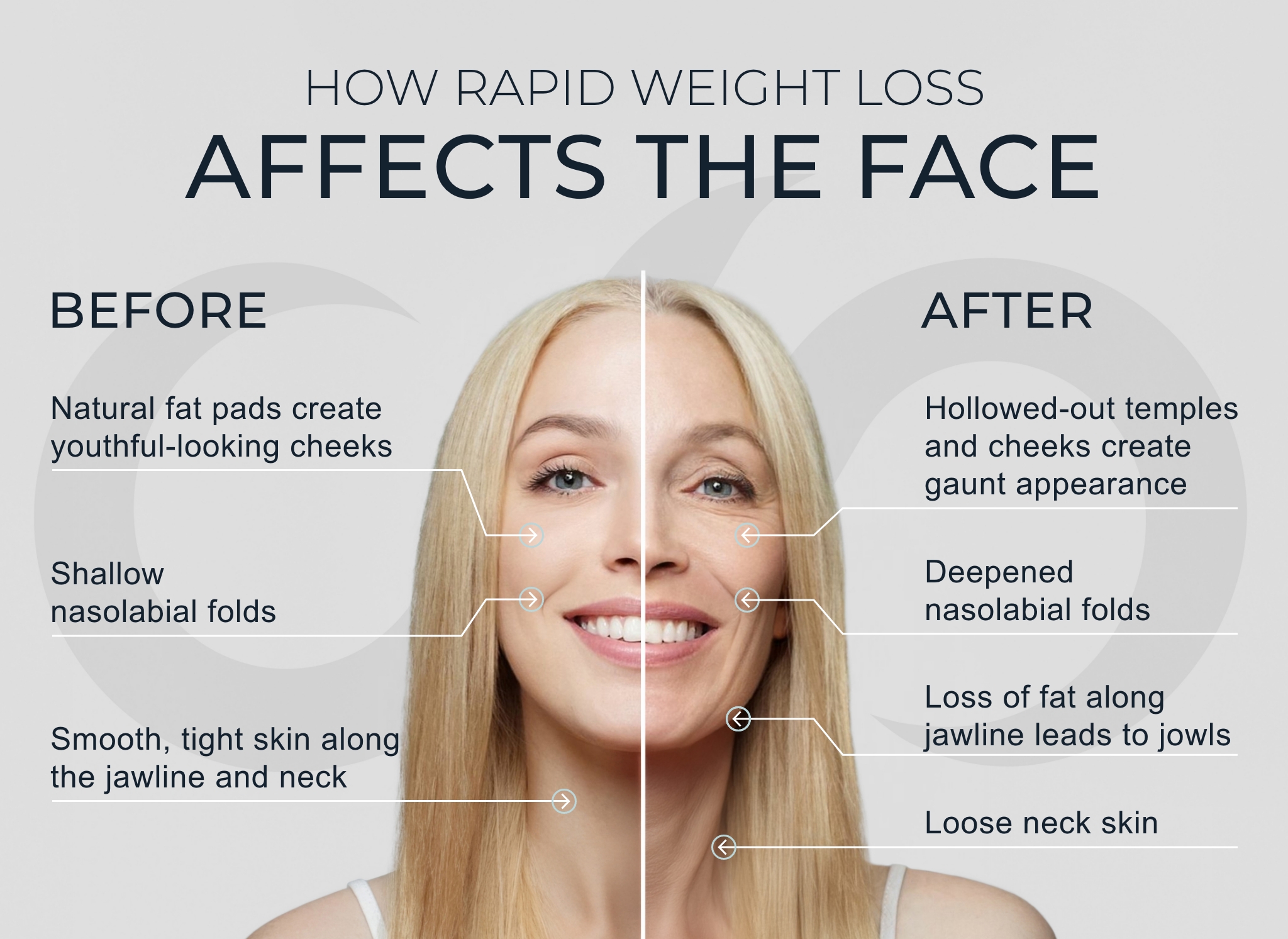
If you've been anywhere near TikTok, Pinterest, or beauty Reddit lately, you've probably heard the term "Ozempic face."
Sudden weight loss. Facial sagging. Hollow cheeks. Skin that looks thinner overnight.
But what is Ozempic face actually? Why does it happen? And most importantly — can you reverse it?
Let's break it down in a calm, science-backed way.
What Is Ozempic Face?
"Ozempic face" refers to facial volume loss and skin laxity that can happen after rapid weight loss from GLP-1 medications like semaglutide (Ozempic, Wegovy).
According to the Cleveland Clinic, semaglutide works by slowing digestion and suppressing appetite, leading to significant weight loss in many users.
But when fat leaves the body quickly, it doesn't skip the face.
And the face is where we notice it first.
If you're interested in the Korean cutting jelly Kylie Jenner promoted on TikTok and what's hype vs. science, we've covered that too.
Why Ozempic Face Happens (The Real Cause)
This isn't actually about the medication directly damaging your skin.
It's about:
- Rapid fat loss
- Reduced facial volume
- Decreased collagen support
- Loss of structural padding
Facial fat helps support the skin's firmness. When it disappears quickly, skin can appear looser or more hollow.
The American Academy of Dermatology explains that collagen and elastin naturally decline with age. When you combine that natural decline with sudden fat loss, sagging becomes more noticeable.
This is why Ozempic face tends to show up more in women over 25 — collagen is already slowly decreasing.
Common Skin Changes After GLP-1 Weight Loss
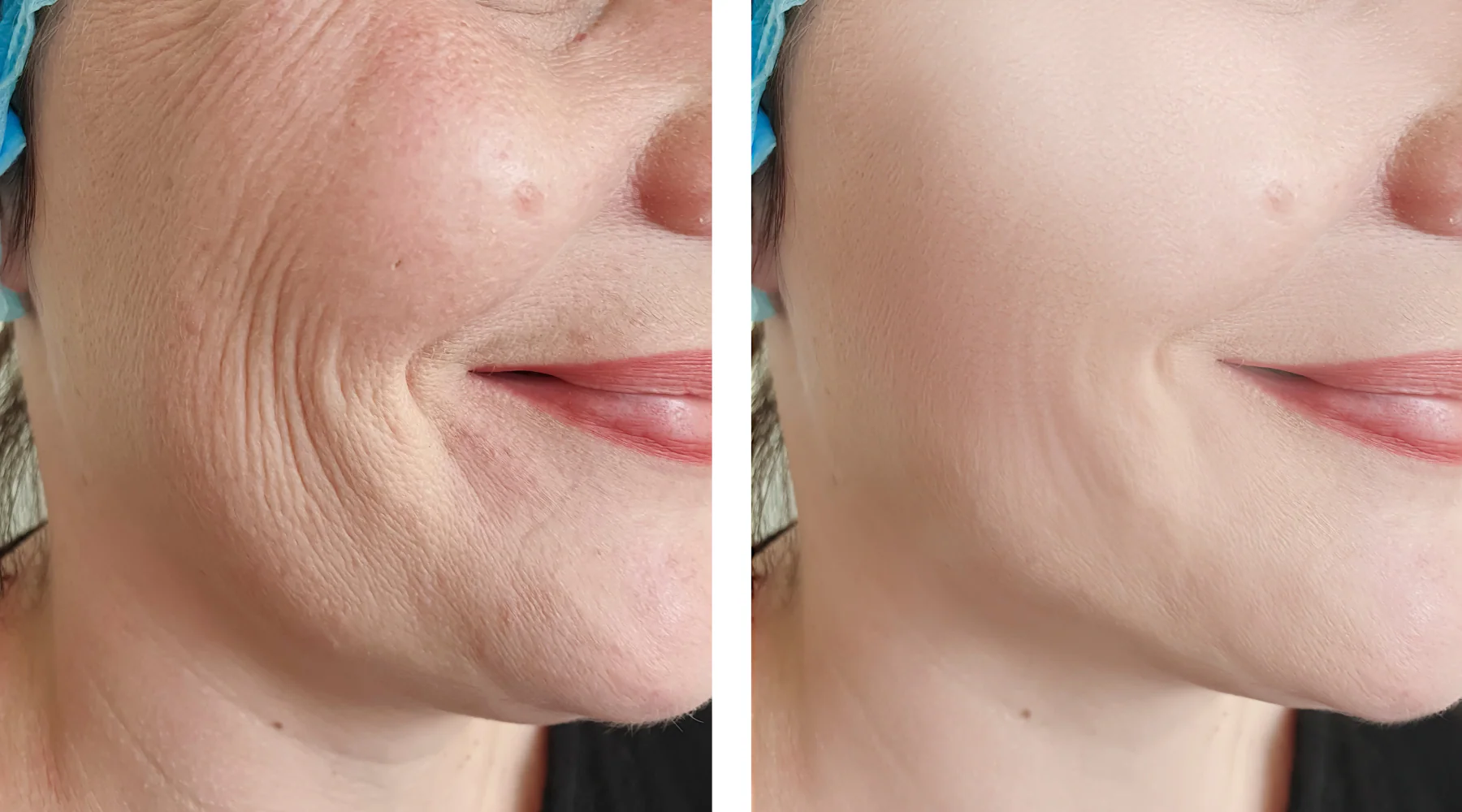
People reporting Ozempic face often describe:
- Hollowed cheeks
- Nasolabial folds appearing deeper
- Under-eye volume loss
- Skin looking thinner
- Jawline softening
- Overall "deflated" appearance
A review published in JAMA Network has discussed how rapid weight reduction can affect soft tissue distribution, especially in the face.
This isn't dangerous — but aesthetically, it can feel shocking.
Is Ozempic Face Permanent?
Not necessarily.
The skin has an incredible ability to adapt — but it needs support.
If collagen production is optimized, hydration is restored, and weight stabilizes, the face can regain firmness over time.
Harvard Health Publishing notes that collagen is essential for maintaining skin elasticity and thickness.
Which brings us to the most important part.
How to Fix Ozempic Face Naturally
You do not need to panic.
But you do need strategy.
1. Support Collagen Production Internally
When weight drops fast, collagen for skin elasticity becomes critical.
One of the most researched approaches is collagen peptide supplementation.
Hydrolyzed collagen peptides have been studied for their potential impact on skin elasticity and hydration, including research summarized by the National Institutes of Health.
A popular option many women are using right now is:
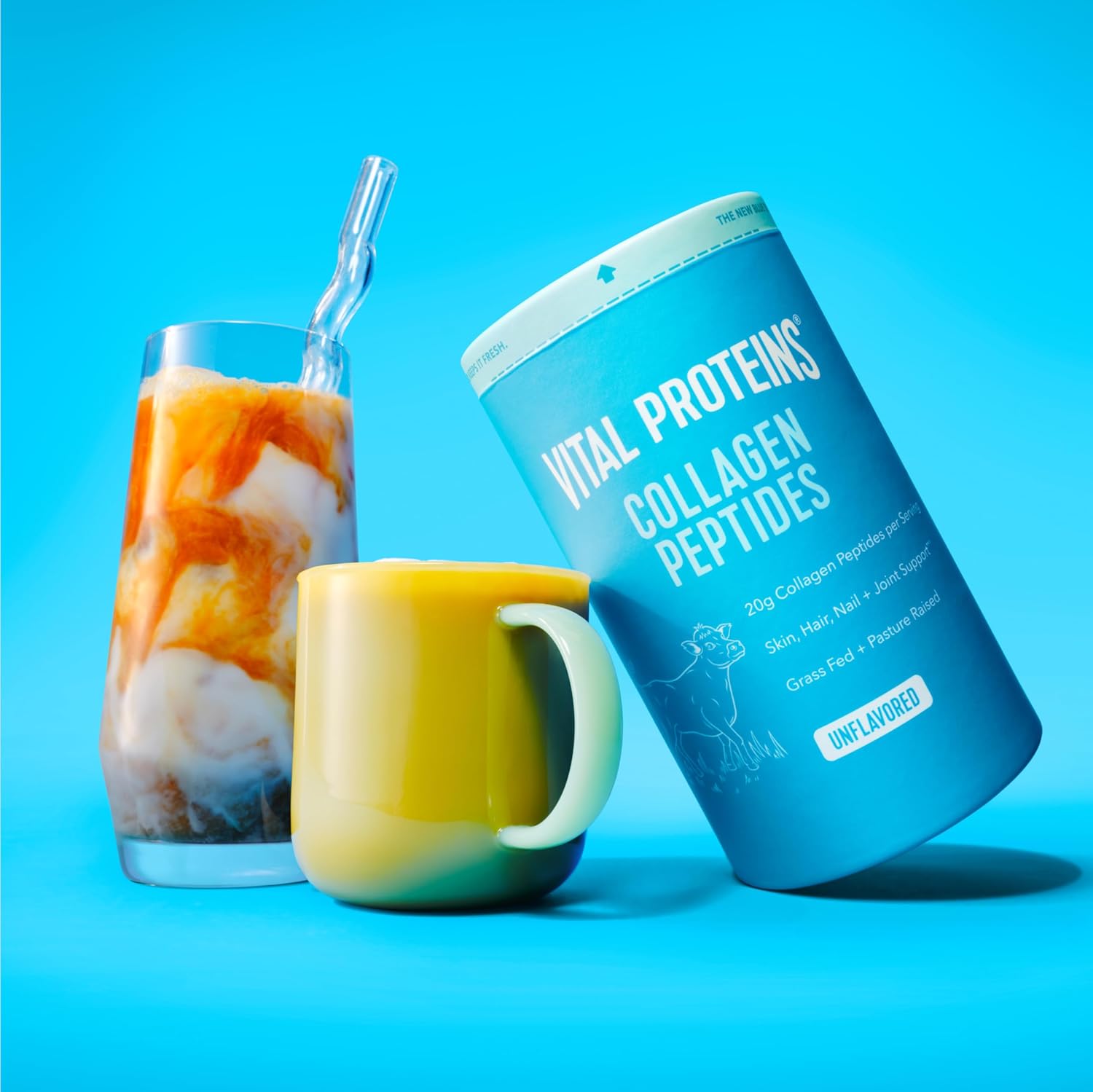 Vital Proteins Collagen PeptidesShop on Amazon
As an Amazon Associate I earn from qualifying purchases to help keep this site running
2. Increase Protein Intake
Rapid weight loss often reduces overall protein intake — which your skin desperately needs.
Protein provides amino acids required for collagen synthesis. Without it, skin repair slows.
Stabilizing protein intake can support structural recovery.
3. Slow the Weight Loss
Some experts recommend adjusting GLP-1 dosage once goal weight is reached to prevent excessive facial fat loss.
According to the Mayo Clinic, gradual weight loss is typically more sustainable and may reduce dramatic tissue shifts.
Maintenance mode matters.
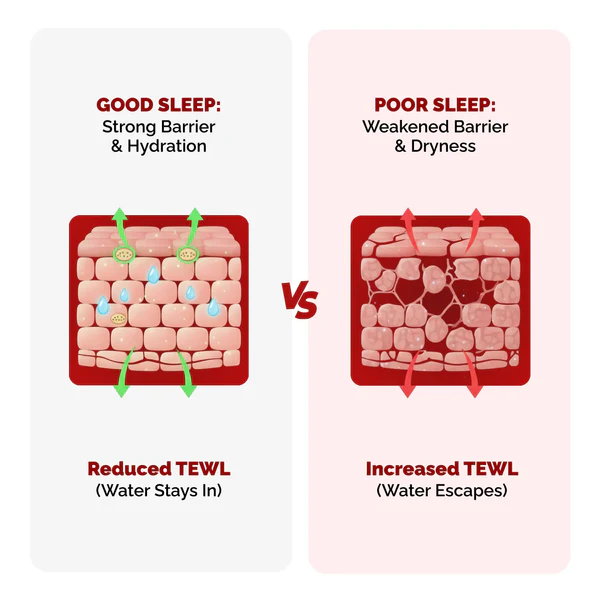
4. Focus on Skin Barrier Repair
When skin looks thin, it often means hydration levels are compromised.
Support your barrier with:
- Ceramides
- Hyaluronic acid
- Peptides
- Gentle cleansers
- No over-exfoliation
Barrier health determines bounce.
If you want a complete approach to barrier repair and how stress affects skin aging, we have a full guide on the stress-skin connection.
5. Prioritize Sleep (Underrated but Critical)
Rapid weight loss stresses the body.
Chronic stress increases cortisol, which can impair collagen production.
Research summarized by PubMed Central discusses how stress hormones influence skin aging and structural proteins.
Your glow literally depends on nervous system regulation.
Supporting your stress and skin connection internally can make a visible difference — and adaptogens like ashwagandha for stress + skin support may help regulate cortisol naturally.
Ozempic Face vs Normal Weight Loss Skin Changes
Let's clarify something:
Ozempic face is not unique to Ozempic.
It happens with:
- Bariatric surgery
- Crash dieting
- Extreme calorie deficits
- Any rapid fat reduction
GLP-1 medications just accelerate the process.
Can You Reverse Ozempic Face Without Fillers?
Yes — in many cases.
While fillers are one option, they're not the only path.
A natural bounce-back approach includes:
- Collagen supplementation
- Adequate protein
- Microneedling (stimulates collagen)
- LED red light therapy
- Stable weight maintenance
- Strength training (improves overall tissue tone)
Over time, the skin can regain resilience.
For those pursuing a glass skin routine or rebuilding glow after weight changes, starting with barrier repair and internal support makes the biggest difference.
The Bigger Conversation: Weight Loss & Beauty Trends
Ozempic face became viral because it collided with:
- GLP-1 trend culture
- Thinness aesthetic cycles
- Beauty standards shifting again
But here's the truth:
Your face isn't "ruined." It's adjusting.
And skin health is dynamic.
Final Thoughts: Calm First, Structure Second
If you're using GLP-1 medications:
Don't panic over facial changes.
Instead:
- Stabilize your weight
- Increase protein
- Support collagen
- Repair your barrier
- Regulate stress
Rapid change needs recovery support.
And the body responds incredibly well when given the right inputs.